Regulatory Milestones Reshaping Accessibility Standards Across Virtual Wagering Markets
Zoe Carter · Oct 25, 2026
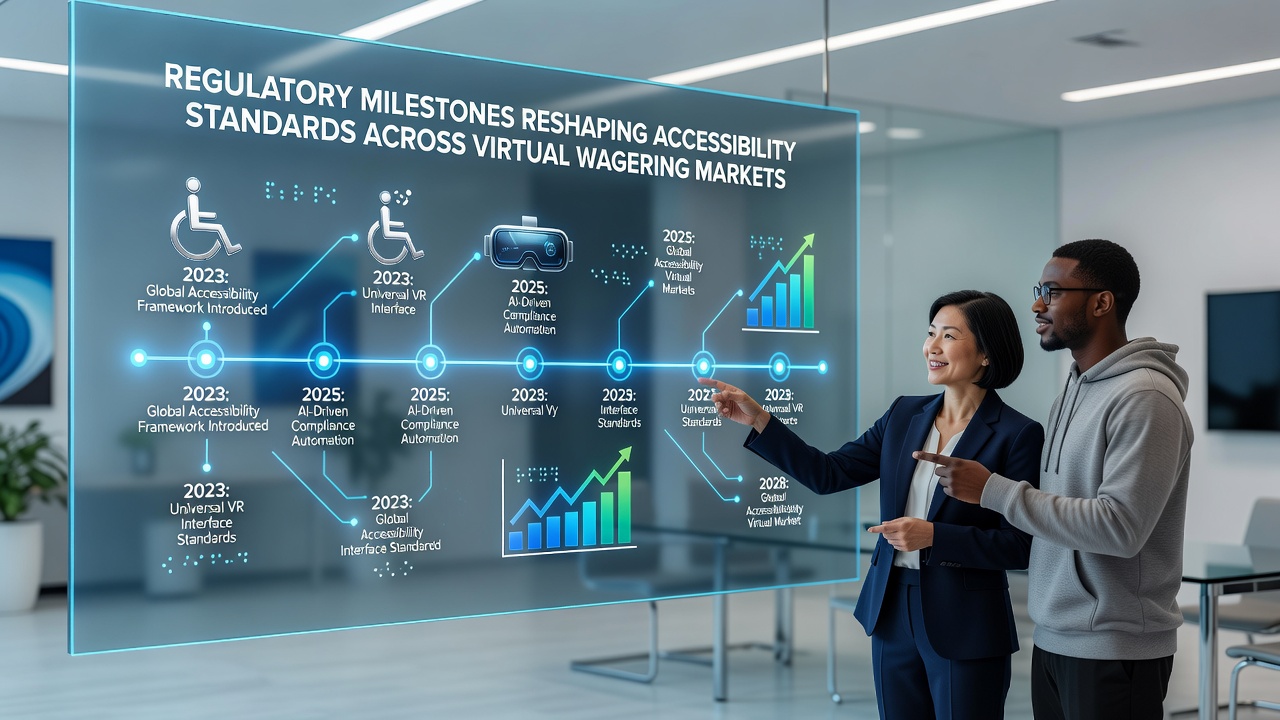
Regulatory Milestones Reshaping Accessibility Standards Across Virtual Wagering Markets
Regulatory frameworks have evolved steadily since the early 2020s, with several jurisdictions introducing requirements that tie digital accessibility directly to licensing conditions for virtual wagering operators. Data from industry reports show that operators must now meet specific technical standards, often aligned with WCAG 2.2 guidelines, to maintain market access. In October 2026, multiple regions implemented updated compliance deadlines that expanded coverage to include mobile applications and real-time betting interfaces.
European Developments and Expanded Mandates
The European Accessibility Act, updated through successive directives, required member states to enforce uniform standards for online services including wagering platforms by mid-2025, and observers note that enforcement accelerated in the following year. Research from the European Commission indicates that these rules cover features such as screen reader compatibility, captioning for live events, and alternative navigation methods. Operators in several countries adjusted their systems accordingly, while data shows increased audit activity from national regulators.
Countries like Germany and France introduced additional national provisions that link accessibility performance to license renewal processes, creating measurable benchmarks for user testing and reporting. Figures released by regulatory bodies reveal that non-compliance can result in temporary suspension of services until remediation occurs.
North American and Canadian Approaches
Canadian federal and provincial authorities coordinated updates that took effect in late 2025 and carried forward into 2026, requiring virtual wagering sites to incorporate accessibility features as part of broader consumer protection measures. According to reports from the Canadian Radio-television and Telecommunications Commission, operators must demonstrate compliance through third-party audits before receiving or renewing permits. These standards address color contrast, keyboard navigation, and voice command integration in betting applications.
Provincial gaming commissions in Ontario and British Columbia aligned their licensing criteria with these federal expectations, resulting in documented changes to platform design. Studies conducted by academic researchers at Canadian universities found measurable improvements in task completion rates for users with visual and motor impairments following these implementations.
Australian and Asia-Pacific Updates

Australian regulators advanced accessibility expectations through amendments to the Interactive Gambling Act and related digital service codes, with key provisions becoming mandatory in October 2026. The Australian Communications and Media Authority published guidance that ties platform accessibility to ongoing licensing obligations for online betting providers. Data collected during 2025-2026 shows operators investing in automated testing tools and user feedback mechanisms to meet these benchmarks.
Similar patterns emerged in New Zealand and parts of Southeast Asia, where governments referenced international standards while adding local requirements for multilingual support and culturally appropriate interface adjustments. Industry associations tracked these shifts and reported widespread adoption of accessibility-by-design principles in new platform development.
Impact on Technology and Operations
Virtual wagering platforms responded by integrating accessibility features earlier in development cycles rather than retrofitting after launch. Research indicates that companies adopting modular design approaches reduced remediation costs and shortened approval timelines. Observers note that real-time data analytics now include accessibility metrics alongside traditional performance indicators such as latency and transaction success rates.
Third-party vendors specializing in compliance software experienced growth in demand, while operators formed internal teams dedicated to ongoing monitoring and user testing with diverse participant groups. Evidence from sector reports suggests that these changes also influenced backend systems, including payment processing and customer support channels.
Conclusion
Regulatory milestones continue to define the operational landscape for virtual wagering markets by embedding accessibility requirements into licensing and oversight processes. Data through October 2026 demonstrates consistent movement toward standardized technical expectations across regions, supported by audits, reporting obligations, and alignment with international guidelines. These developments shape how platforms are built, tested, and maintained to serve broader user populations.