How Emerging Technologies Reveal Fraud Prevention in Online Gaming Ecosystems
Devon Hartmann · Sep 13, 2026
How Emerging Technologies Reveal Fraud Prevention in Online Gaming Ecosystems
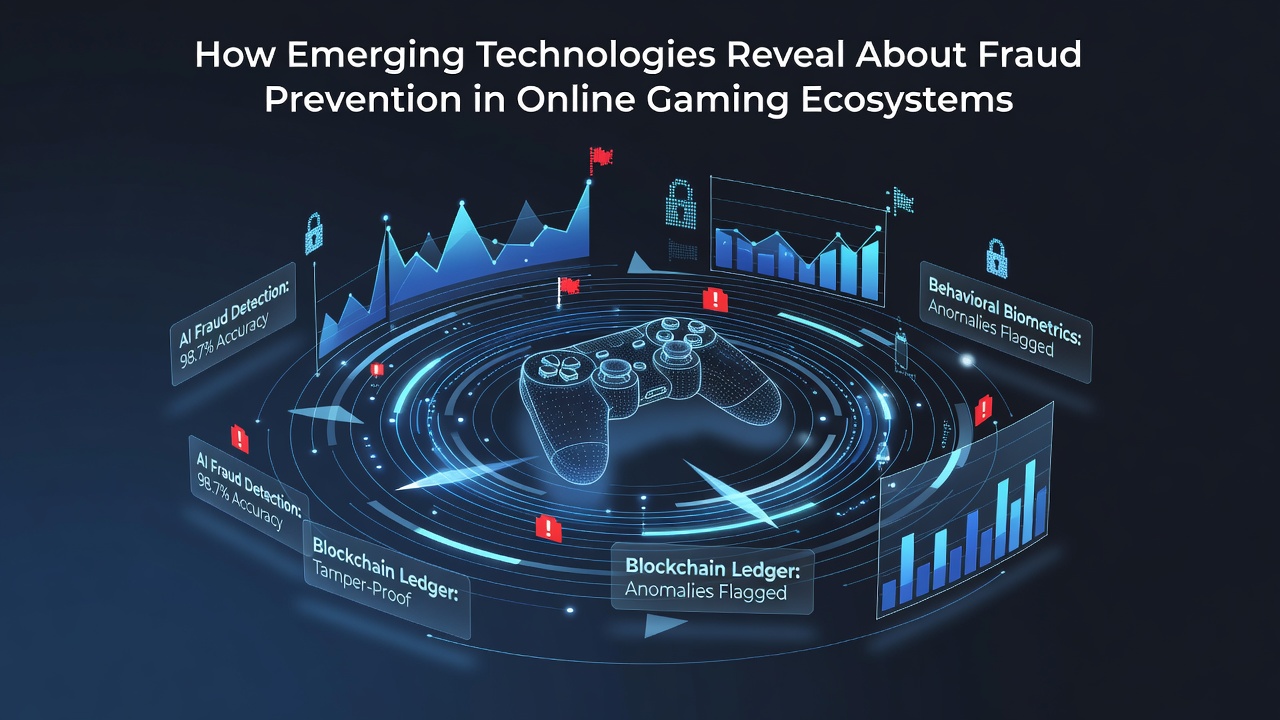
Online gaming platforms face constant pressure from fraud schemes that range from account takeovers to bonus abuse and money laundering operations, yet emerging technologies continue to reshape how operators detect and block these threats before they escalate. Machine learning algorithms now process vast transaction datasets in milliseconds, identifying anomalies that traditional rule-based systems often miss, while blockchain ledgers create immutable records of player activity that auditors can trace across multiple jurisdictions.
Artificial Intelligence and Pattern Recognition
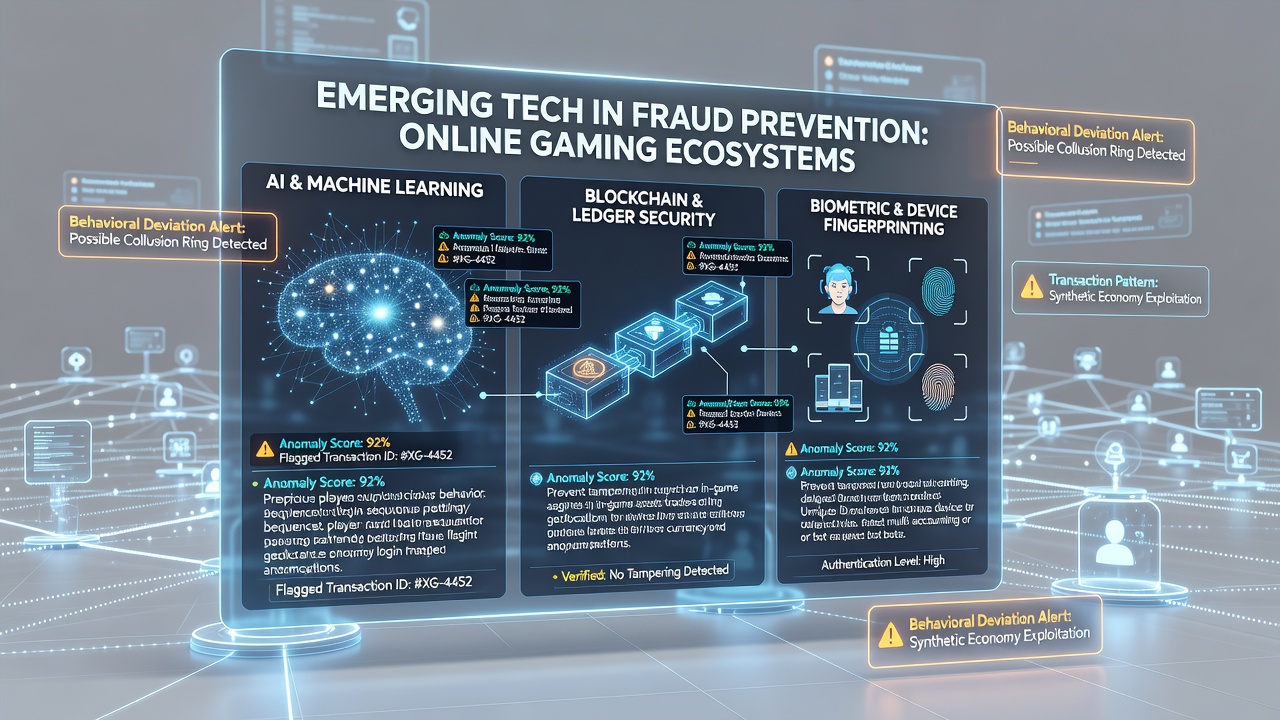
Researchers at various academic institutions have documented how supervised learning models trained on historical fraud cases achieve detection rates above 95 percent in controlled environments, according to reports from the European Gaming and Betting Association. These systems analyze variables including login locations, bet sizing patterns, and session durations simultaneously, flagging deviations that suggest coordinated attacks or automated bots. In September 2026, several major operators plan to integrate next-generation neural networks capable of adapting to new fraud tactics without manual retraining, a shift that reduces response times from hours to seconds.
Behavioral biometrics add another layer by tracking mouse movements, keystroke rhythms, and device fingerprints unique to each user. One study revealed that combining these signals with traditional identity verification cut account takeover incidents by nearly 40 percent across sampled platforms in North America and Asia. Operators report that players rarely notice the background monitoring, which runs continuously without interrupting gameplay.
Blockchain and Transaction Transparency
Distributed ledger technology provides a different advantage by recording every deposit, withdrawal, and in-game transfer on tamper-proof chains that multiple parties can verify. Australian regulatory bodies have referenced blockchain pilots that allow real-time auditing of high-risk transactions, reducing the window for layered laundering schemes. Smart contracts further automate payout conditions, releasing funds only when predefined criteria such as verified play history are met, which limits opportunities for bonus hunters who cycle funds through multiple accounts.
Real-Time Monitoring and Predictive Analytics
Predictive models now incorporate external data sources including dark web breach lists and social media activity indicators, creating risk scores that update dynamically throughout a session. Data from the Canadian Centre for Gaming Research shows platforms using these integrated feeds experienced a 28 percent drop in chargeback rates during 2025 testing phases. The technology flags potential collusion rings by mapping social connections and shared device usage across seemingly unrelated accounts, a capability that manual review teams could never scale.
Regulatory Alignment and Industry Standards
Regulatory frameworks in multiple regions now require operators to demonstrate use of advanced detection tools during licensing renewals. The Malta Gaming Authority has published technical guidelines that emphasize continuous monitoring capabilities, pushing companies to adopt solutions tested against simulated attack scenarios. Industry groups coordinate shared threat intelligence databases, allowing smaller platforms to benefit from patterns observed on larger networks without exposing sensitive player data.
Multi-factor authentication methods continue evolving beyond simple SMS codes toward app-based tokens and biometric confirmations that resist SIM-swapping attacks. Observers note that platforms adopting passwordless login flows see higher completion rates during account recovery processes, which indirectly reduces successful social engineering attempts.
Emerging Challenges and Ongoing Adaptations
Despite these advances, fraud actors develop countermeasures such as deepfake identity documents and proxy networks that mimic legitimate traffic patterns. Studies from university labs indicate that hybrid human-AI review teams still outperform fully automated systems when dealing with sophisticated, low-volume attacks designed to stay below detection thresholds. Operators therefore maintain escalation protocols that route ambiguous cases to specialized analysts who apply contextual judgment.
Cloud-based infrastructure supports the heavy computational loads required for real-time analysis, yet it also introduces new variables around data residency and cross-border information sharing. Platforms operating across Europe and the Americas must navigate varying data protection rules while maintaining unified fraud models that respect local constraints.
Conclusion
Emerging technologies continue to shift the balance in fraud prevention by enabling faster detection, deeper pattern analysis, and more transparent transaction trails within online gaming ecosystems. As machine learning, blockchain applications, and behavioral analytics mature, operators gain tools that adapt alongside evolving threats. The integration of these systems with regulatory expectations creates a foundation where proactive defense becomes standard practice rather than reactive response, supporting safer environments for participants across global markets.