Biometric Authentication Reshaping Entry Systems in Online Gaming and Betting Platforms
Devon Hartmann · Nov 22, 2026

Biometric Authentication Reshaping Entry Systems in Online Gaming and Betting Platforms
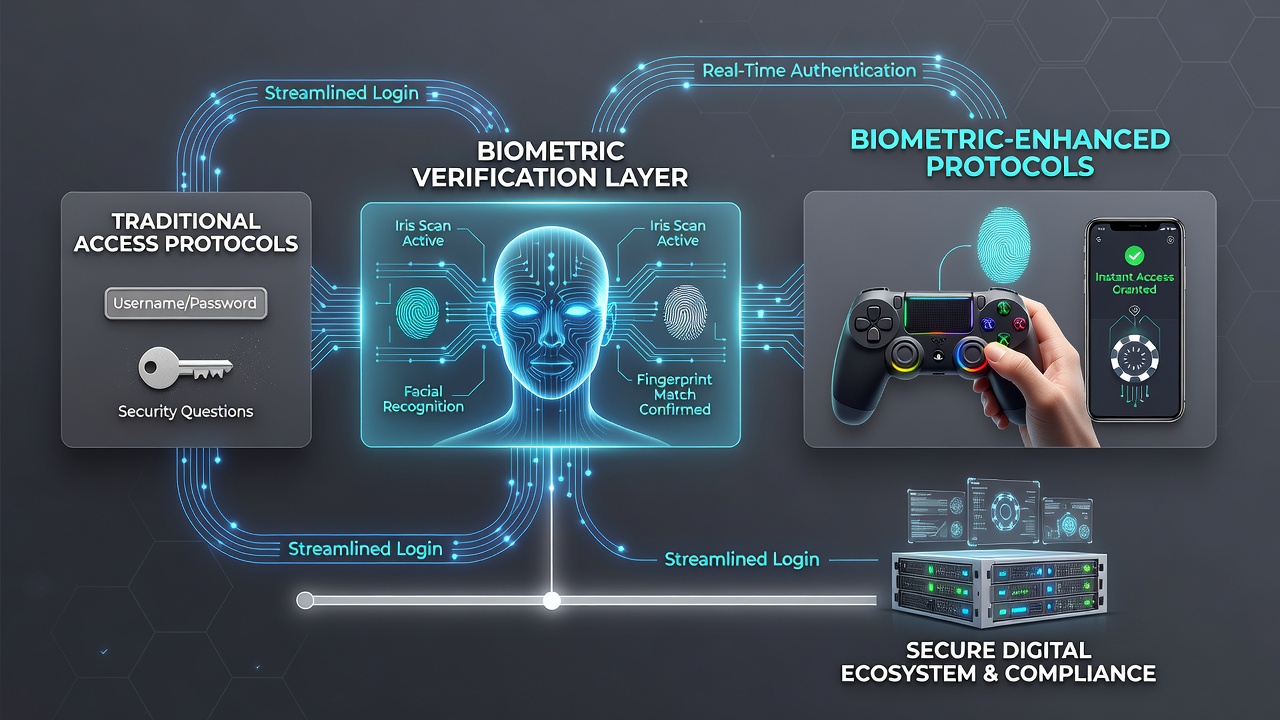
Biometric verification methods have moved into mainstream use across digital gaming and betting services where operators replace traditional password systems with fingerprint scans, facial recognition, and voice analysis to manage user access. These technologies integrate with existing account protocols to confirm identity at login, during withdrawals, and when age or location checks occur, and data from industry reports shows adoption rates climbing steadily through 2025.
Transition from Passwords to Physiological Markers
Traditional access relied on usernames paired with passwords that users often reset or forget, yet biometric systems capture unique physical traits once and store encrypted templates for repeated matching. Observers note that this change reduces account takeover incidents because stolen credentials alone no longer grant entry, while operators maintain logs of each verification attempt for compliance audits. Research from academic institutions indicates error rates for modern facial recognition have dropped below one percent in controlled tests, allowing platforms to process millions of daily logins without manual intervention.
Core Technologies Driving Protocol Updates
Fingerprint sensors built into smartphones serve as the most common entry point because they require no extra hardware from users, and operators pair these with liveness detection algorithms that distinguish real tissue from photos or masks. Facial recognition adds another layer by analyzing depth maps and micro-movements during each scan, and voice biometrics capture vocal patterns for telephone or app-based support calls. Those who study deployment patterns report that multi-modal approaches combining two traits simultaneously appear in higher-tier accounts where transaction volumes exceed certain thresholds.
Regulatory Timelines and Geographic Variations
Jurisdictions in North America and Europe have introduced guidelines that encourage or require biometric checks for new account creation, and several Australian state regulators plan expanded testing programs by November 2026. Canadian provincial frameworks already reference biometric data handling in responsible gambling codes, whereas certain Asian markets focus on national identity databases that link directly to gaming platforms. Industry organizations such as the Responsible Gambling Council of Victoria publish periodic summaries tracking how these rules affect operator workflows.
Security Outcomes and Fraud Reduction Metrics
Platform operators that implemented biometric gates recorded measurable declines in chargeback rates and synthetic identity attempts according to aggregated figures from payment processors, and analysts attribute part of the improvement to real-time matching that occurs before funds move. Yet challenges remain around template storage because a breach of centralized biometric databases carries permanent consequences unlike changeable passwords. Government agencies in multiple regions now mandate independent audits of encryption standards and retention policies to address these risks.
User Experience Adjustments and Accessibility Considerations
Players encounter fewer friction points once initial enrollment completes because subsequent logins finish in seconds rather than requiring remembered strings or one-time codes sent via SMS. Accessibility advocates point out that some users with physical disabilities or varying skin conditions experience higher rejection rates, prompting operators to maintain fallback verification paths such as video calls with trained staff. Studies from research centers show that clear instructions and retry limits help maintain completion rates above 95 percent across diverse demographics.
Integration with Broader Compliance Frameworks
Biometric records often feed into know-your-customer processes that verify age and address against government documents, and this linkage allows operators to flag unusual activity faster than manual reviews permit. Data indicates that jurisdictions with mandatory biometric elements report lower instances of underage access attempts compared with regions relying solely on self-declaration. Trade associations track these correlations through anonymized datasets shared among members to refine best practices.
Conclusion
Biometric verification continues to alter how digital gaming and betting services authenticate users by shifting emphasis from knowledge-based credentials to inherent physical traits, and regulatory developments scheduled through November 2026 will likely accelerate this transition across additional markets. Operators that align technical implementations with privacy standards and accessibility needs position themselves to meet evolving compliance demands while maintaining service continuity for their customer base.